NewNov 8, 2026
How to Actually Vet an Ecommerce SEO Agency
A 90-day framework for vetting ecommerce SEO agencies: technical diagnostics, revenue metrics, and the questions pitch decks avoid.
 Richard·17 min read·Nov 8, 2026
Tests we ran, mistakes we made, and what the data said. Written by the people building RankSpiral, not a content team.
A 90-day framework for vetting ecommerce SEO agencies: technical diagnostics, revenue metrics, and the questions pitch decks avoid.
Richard·17 min read·Nov 8, 2026See the 5 parts real ecommerce SEO services cover, from crawlability to product feeds, and which to fix first. Traffic isn't the metric that matters.
Richard·19 min readWe scored every top GEO company on output, real cost per article, and revenue tie-in. See who turns AI visibility into actual sales.
Richard·21 min readWe compared tools on 8 criteria: citation tracking, engines covered, cost, and more. See which platform actually drives revenue, not just scores.
Richard·22 min readGEO, AEO, LLMO or AI SEO? We settle the naming confusion and explain which term Google actually uses. No jargon, just the real answer.
Richard·17 min readNo fake guarantees. A 6-stage breakdown of what GEO services really deliver, from crawlability to AI citations. Spot snake-oil pitches fast.
Richard·19 min readWhy generative engine optimization strategy fails without strong SEO basics. Pew data shows AI summaries cut clicks nearly in half. No shortcuts.
Richard·17 min readNot either/or: see how AEO and GEO work from one content base. Includes Google's 2026 AI guidance and a budget decision framework.
Richard·22 min readNo tool controls AI citations, but the right inputs improve your odds. See what these platforms track, fix, and can't actually promise in 2026.
Richard·20 min readWhy the same page gets cited in Perplexity but invisible in Google AI Overviews. A tested framework, not hacks. See what actually moves the needle.
Richard·20 min readSee how Semrush's AI Visibility Toolkit tracks citations in ChatGPT, AI Overviews, and Perplexity. GEO vs SEO explained, with real examples.
Richard·17 min readLearn the real SEO writing content process: intent matching, structure, and on-page tactics that get pages found, not just read. See the standing desk example.
Richard·17 min readNo keyword stuffing here. See the real workflow: research, briefing, drafting, and post-launch analysis most writers skip. Worth the invoice? Find out.
Richard·19 min readSkip the vague advice. Get a pass/fail rubric for SEO content, scored against real data. One system hit 84/100, beating most AI tools.
Richard·18 min read96.55% of pages get zero Google traffic. See the 5-stage system for SEO content that actually earns clicks, from product pages to FAQs.
Richard·18 min read96% of web pages get zero Google traffic. Learn the writing blog process that fixes it: topic picks, drafting, SEO, and tracking results.
Richard·17 min readSkip the 47-item checklist. Diagnose the real bottleneck blocking your rankings, then fix it fast. One mistake can make you invisible to Google.
Richard·20 min readAI content detection tools give you a probability score, not proof. See how they work, where they fail, and what to check instead. No fluff.
Richard·18 min readDrafting is 15% of the job. See what content automation tools really handle, from planning to refreshing, and why speed alone backfires in 2026.
Richard·19 min readSee how SEO teams avoid cannibalization and thin content with AI scheduling. Keyword clustering, review workflows, and the autopilot trap to skip.
Richard·15 min readA 7-stage system for automating blog content creation beyond AI drafts: briefs, review, linking, and revenue tracking. See where most teams skip steps.
Richard·17 min readA full workflow for AI SEO content writing in 2026: research, briefs, drafting, fact-checking, and AI Overview optimization. No fluff, just steps.
Richard·17 min readWe tested 7 AI SEO writers on rankings, revenue tracking, and content quality. See which tool actually moves the needle in 2026.
Richard·18 min readSee how AI content writers for blogs actually work, from prompt-box tools to full editorial systems. Includes a comparison table so you pick the right one.
Richard·18 min read4 Google AI writing tools, one clear workflow: Gemini, Docs AI, NotebookLM, AI Studio. Know which to open at each stage, so content still ranks.
Richard·18 min readGoogle's 2026 AI content rules explained, plus an editorial workflow and fact-check checklist to avoid scaled content penalties. Skip the guesswork.
Richard·18 min readGoogle's actual stance on AI content, straight from Search Central guidelines. No guesswork, no humanizer gimmicks. Here's what really gets penalized.
Richard·15 min readWe compare pricing, SEO depth, and brand control to see which AI actually earns back its cost. Spoiler: the cheaper one isn't always the winner.
Richard·18 min readA 6-step system for topical authority: audit, map, prioritize, link, and measure. Skip the content calendar trap that wastes months of writing.
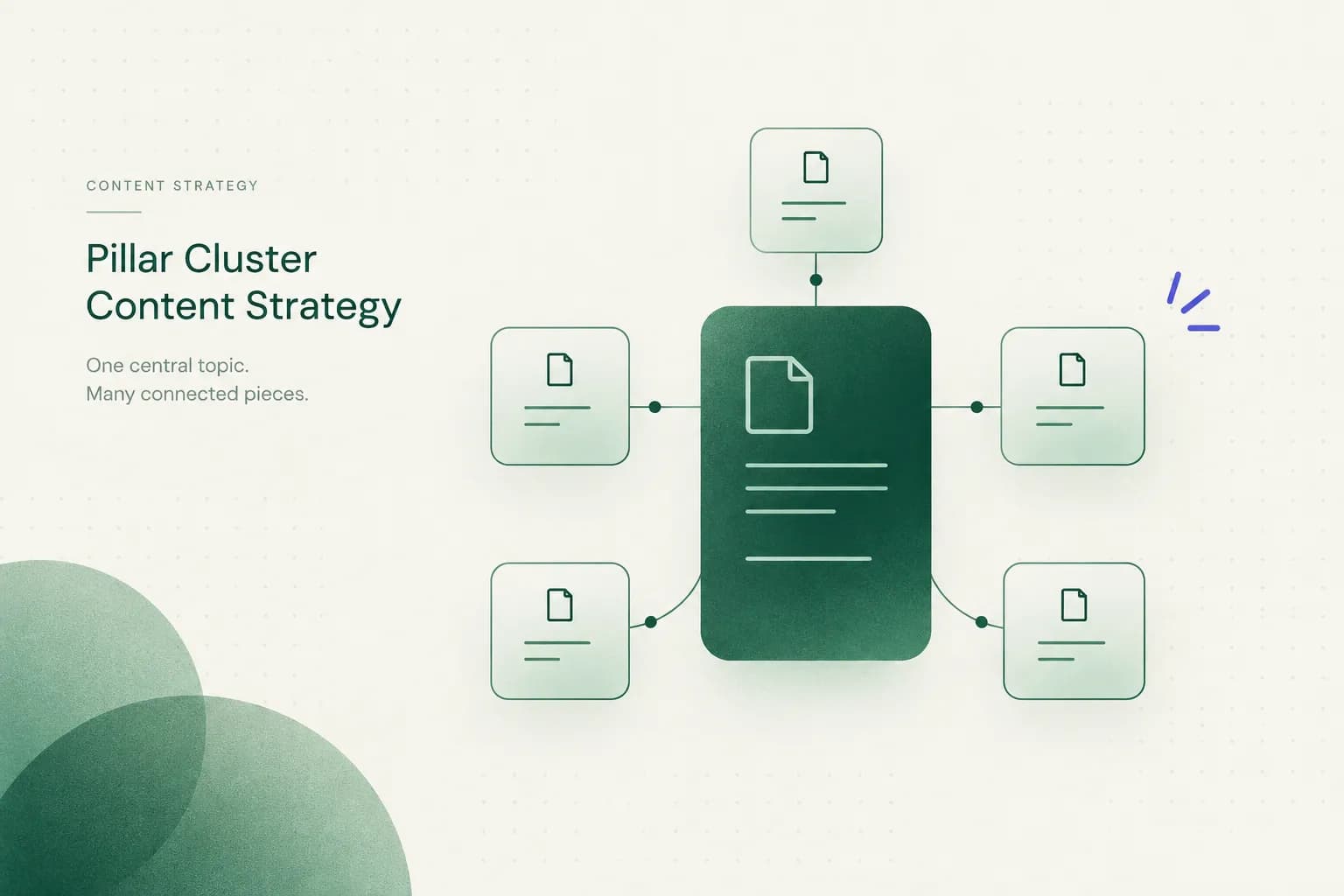
Richard·20 min readKeyword mapping, publishing order, and measurement for pillar cluster content strategy in 2026. No diagrams, just the decisions guides skip.
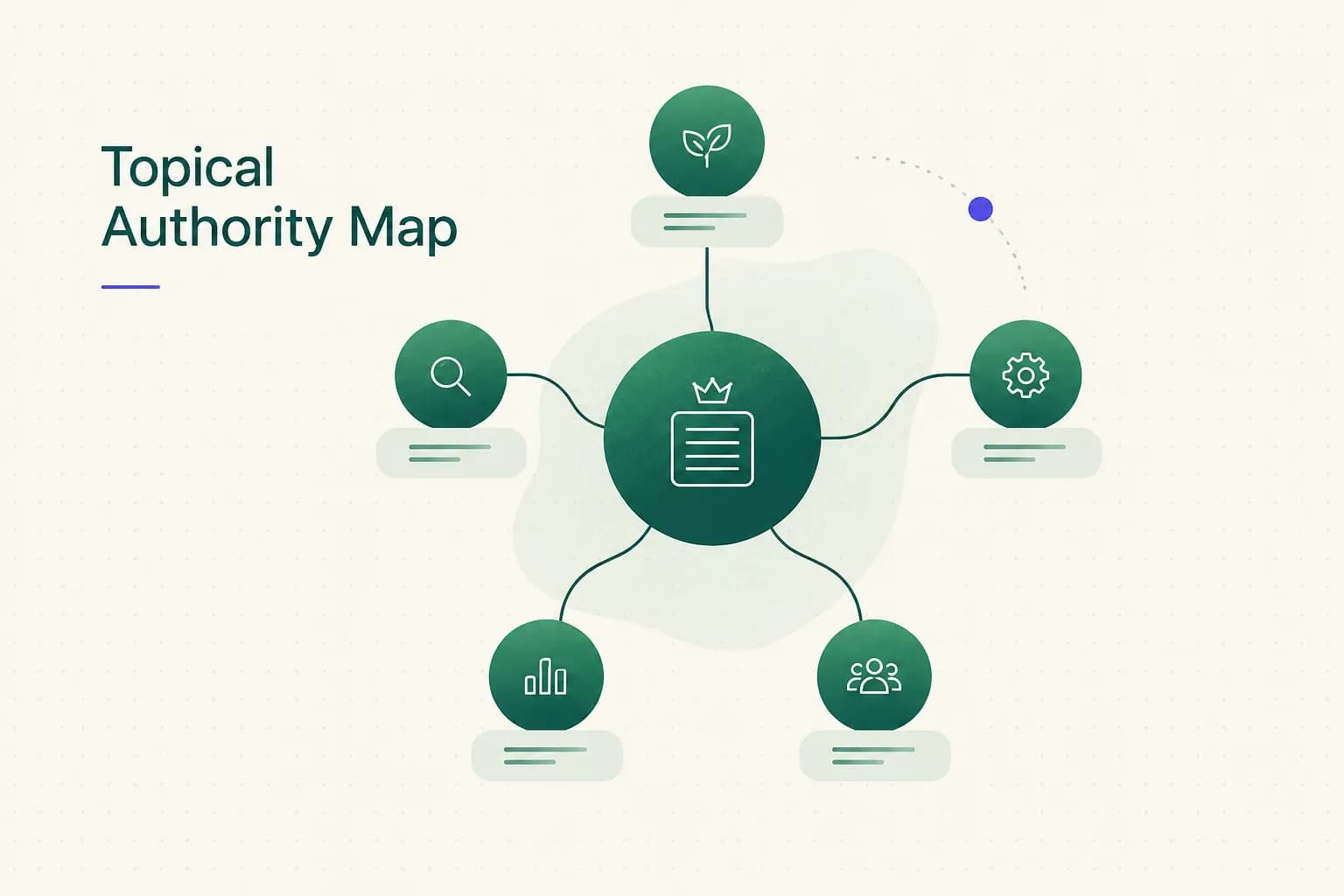
Richard·18 min readA step-by-step framework for a topical authority map: pillar pages, subtopics, and internal links that drive real rankings. No fluff.
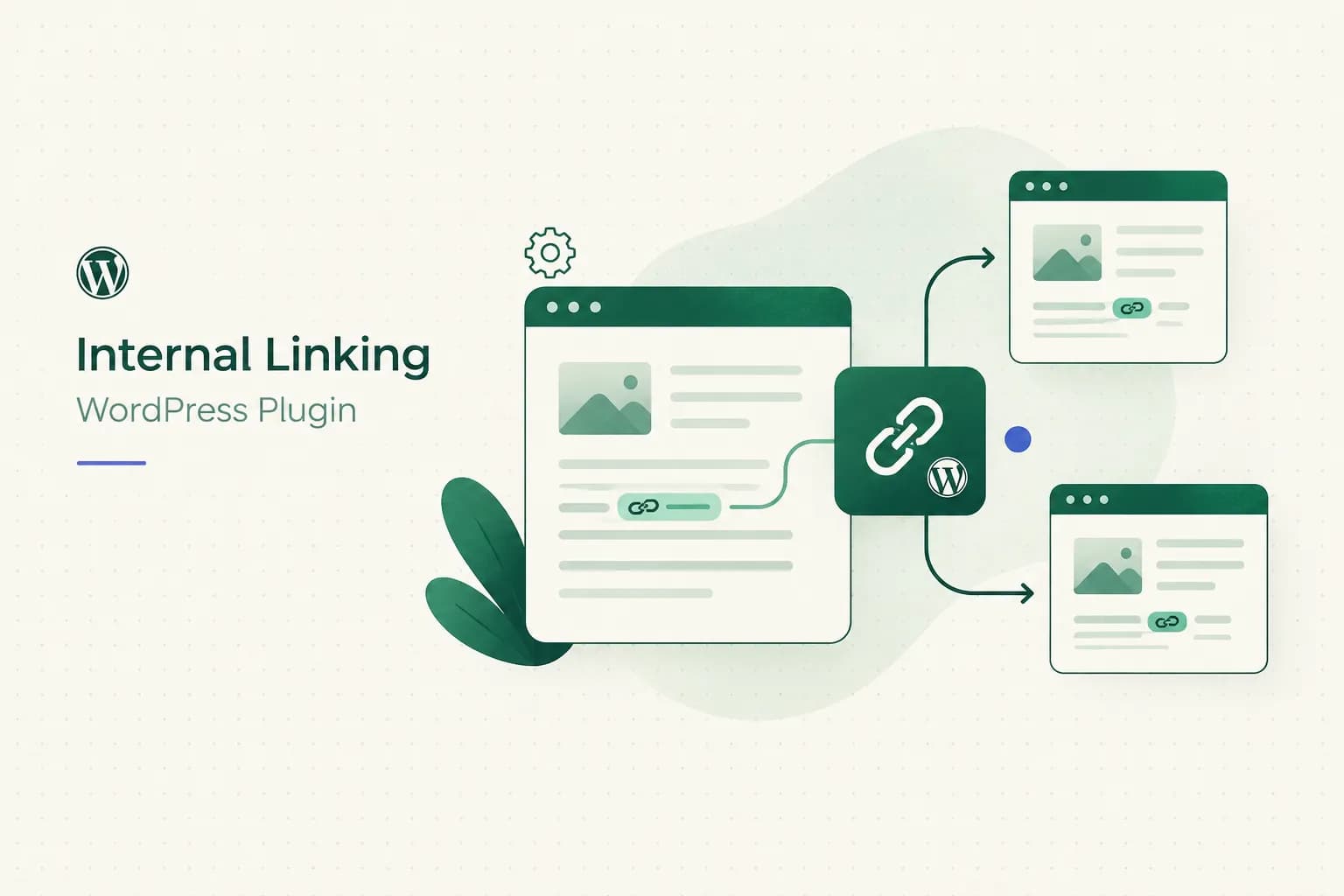
Richard·18 min readSkip the roundups. Learn to judge any internal linking plugin on 4 factors: relevance, control, reversibility, and measurement. No fluff.
Richard·20 min readNot another top-10 list. Match your real problem (bad links, no automation, no audit) to the right tool in 2026. Find your fix in minutes.
Richard·17 min read7 tools tested on schema, sitemaps, content output, and revenue tracking. See which plugin wins and when you need more than a plugin.
Richard·19 min readSee why manual linking breaks past 150 pages and how automated internal linking fixes it, without burying your best content in link spam.
Richard·19 min read400 posts, zero links between them? See how auto internal link plugins work, where keyword-match tools fail, and what a smarter content-graph approach fixes.
Richard·17 min readSee how an AI internal linking tool finds missed links across 500+ pages, then judge its suggestions against Google's own linking rules.
Richard·17 min readForget the '3-5 links per post' myth. Learn the 4-part system for planning, prioritizing and placing internal links that actually move rankings.
Richard·19 min read96.55% of pages get zero Google traffic. This 5-step loop fixes that, from opportunity to revenue. No generic checklists.
Richard·17 min readA 4-step framework to diagnose your traffic bottleneck and fix it without ad spend. No listicle of 57 random tactics, just what to do first.
Richard·20 min readYour SEO tool gave you a 71/100. Google never saw it. Learn how to turn tool scores into real ranking gains in 2026.
Richard·20 min readWhen do free SEO tools stop working? See the exact keyword/traffic thresholds and where paid tools like Ahrefs actually earn their $249/mo.
Richard·20 min readWe tested SEO tools on real budgets, not keyword database size. See cost per article, top picks for local and ecommerce, and the overall winner.
Richard·20 min readConfused by "SEO engine optimization"? Get the plain-English definition, why the term's redundant, and how search traffic actually works. No jargon.
Richard·19 min readSkip the jargon. Learn the exact 6-step sequence for SEO for beginners, from search intent to Search Console. No fluff, just what ranks in 2026.
Richard·20 min readSee the exact pipeline from crawling to ranking to clicks, explained in order with no guesswork. Find out where most pages quietly fail first.
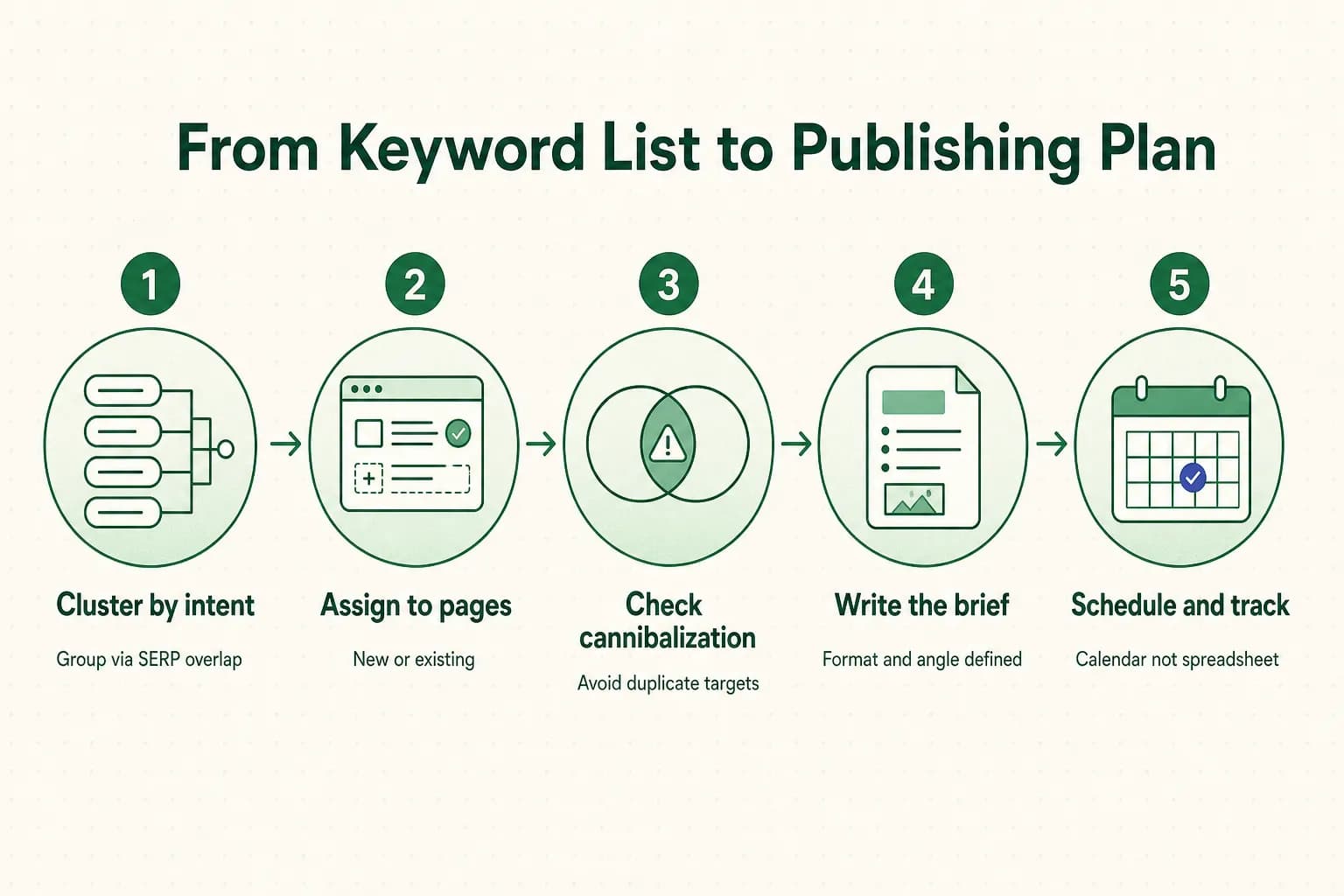
Richard·21 min readCut a 3,000-row gap report down to keywords worth writing. A 3-step filter for real SERPs, GSC data, and page-level decisions.
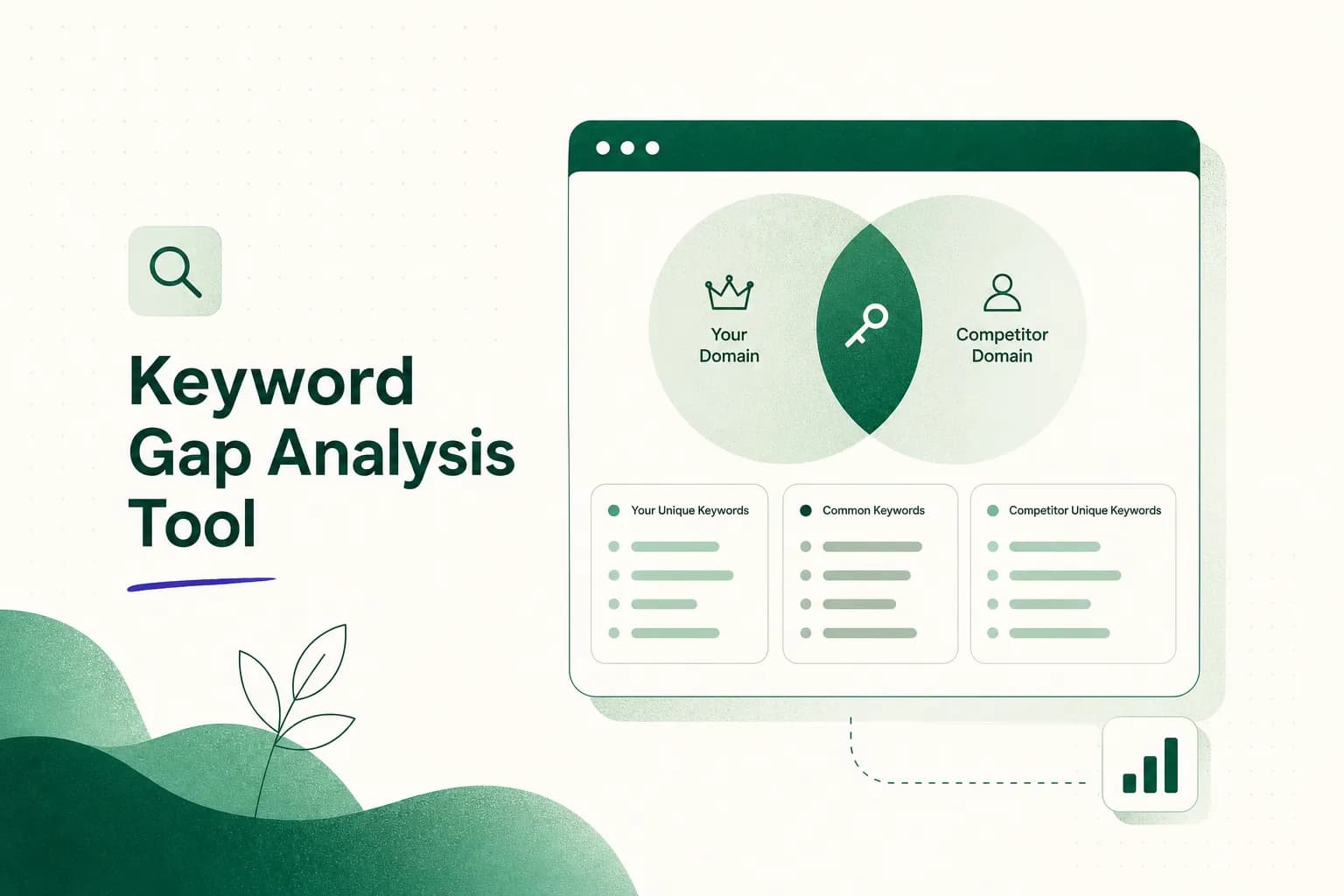
Richard·20 min readLearn what a keyword gap analysis tool actually finds, how to pick competitors, and turn gaps into a content plan that ranks. No fluff, just steps.
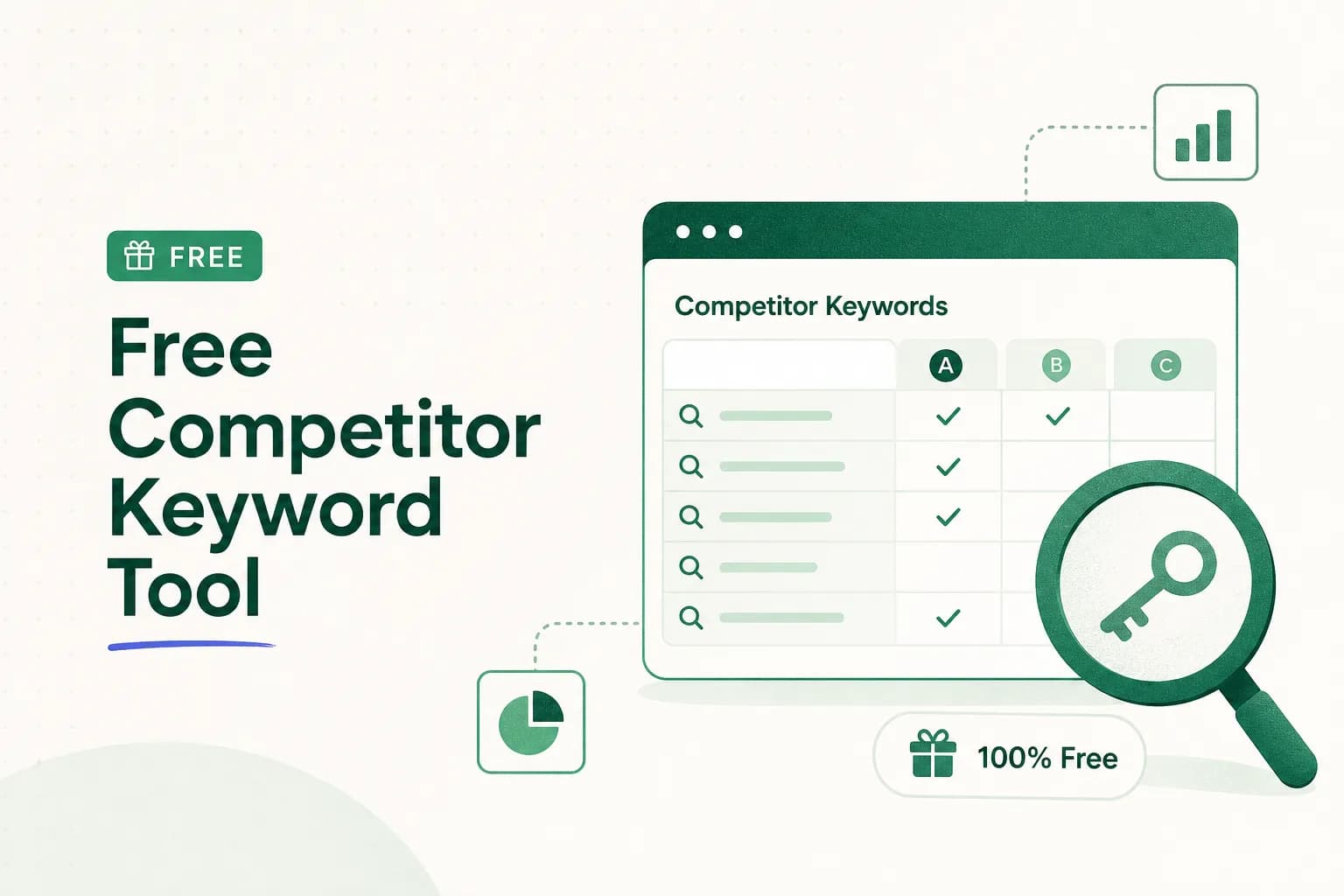
Richard·20 min readSkip the 2,400-row spreadsheet nobody reads. Learn how to find real organic rivals, pull keyword data free, and filter down to what's actually winnable.
Richard·19 min readNo credit card, no trial. A 90-minute workflow using Google, Search Console and Keyword Planner to find keywords you can actually win.
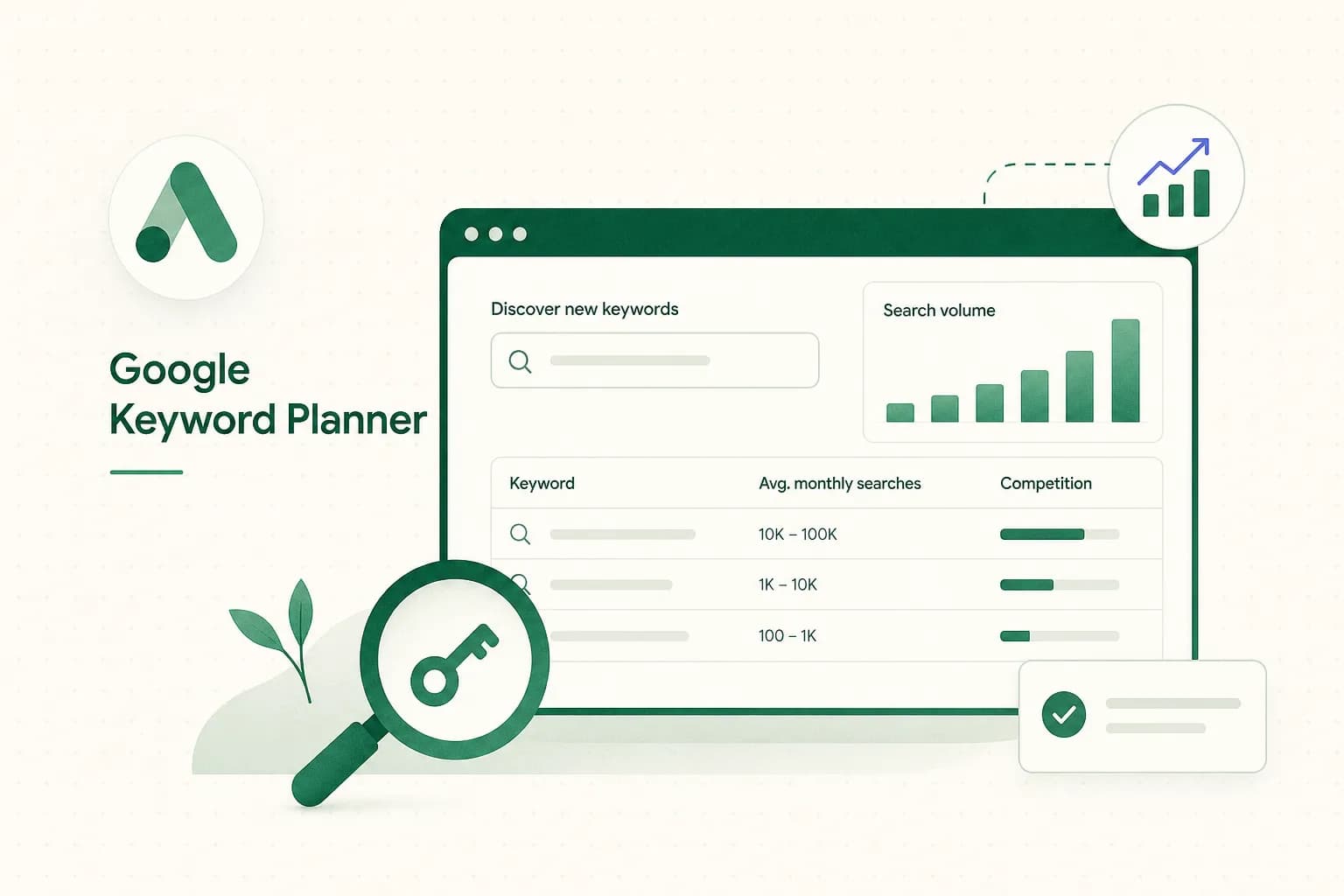
Richard·20 min readIt's built for ads, not SEO. Learn which metrics to ignore, how settings skew data, and how to turn 800 keyword ideas into a real content plan.
Richard·20 min readSee the full operation behind a content marketing service, from strategy to publishing to ROI. No vague deliverables, just how it actually works.
Richard·20 min readConfused BuildingLink app with link building SEO? Get the 2026 playbook on backlinks that actually move rankings, not just directory clutter.
Richard·20 min readSkip tool estimates. Learn the SERP-first system for keyword research: validate intent, cluster by overlap, score winnability. No fluff, just method.
Richard·22 min readWe tested every free plan's real limits: search caps, export locks, row limits. See which tools stay free and which trap you.
Richard·21 min readSkip the 47-format lists. Get 3 questions to ask before writing, so every post, email, and page actually connects to sales.
Richard·21 min read